The GRAPPA Education Committee's purpose is to facilitate the sharing of information related to psoriasis and psoriatic arthritis and to enhance education, research, diagnosis and treatment of psoriasis, psoriatic arthritis and related conditions.
Key projects and activities this group oversees:
The Education Committee is responsible for promoting and facilitating good practice in all aspects of education in psoriasis and psoriatic arthritis. The areas in which these activities will be promoted include epidemiology, disease pathogenesis, disease diagnosis, disease assessment and treatment, and suitable habits of living with the disease and its outcomes. The methods of promoting this strategy shall include in-person meetings and online communications. These aims are directed at health care professionals and patients.
Specifically, our objectives are:

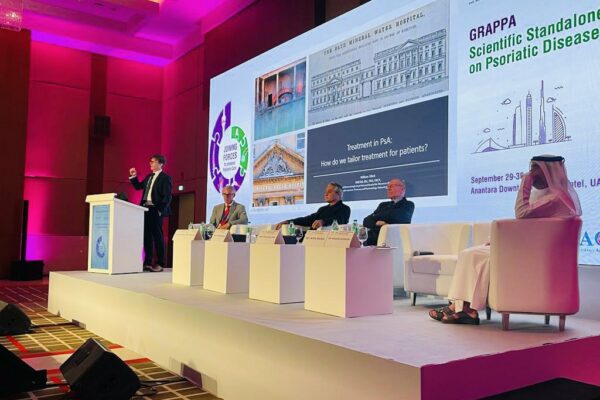
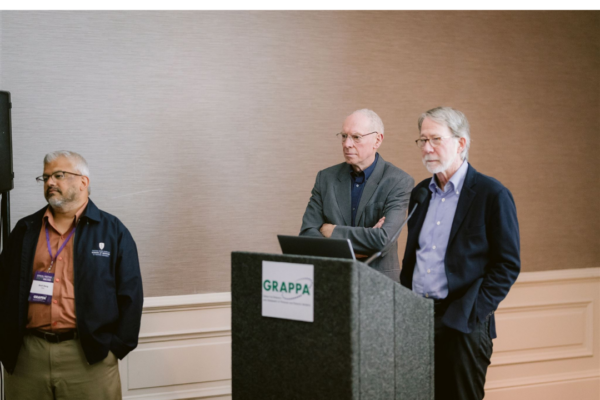

Interested in Hosting a GRAPPA Endorsed Educational Meeting?
Petitioners for official GRAPPA endorsement of educational meetings are invited to complete a meeting considerations checklist.
Our Latest Educational Projects

GRAPPA Slide Library
The GRAPPA Slide Library contains carefully curated slides to provide a comprehensive overview of psoriatic diseases. Our aim is to ensure widespread use of these slides for educating healthcare professionals involved in the care of patients with psoriatic diseases and is available in 6 languages with 11 categories.
Inside GRAPPA Podcast
Delve into the discussions on the latest research and development on psoriatic diseases.


Short Course @ GRAPPA: Introduction to Epidemiology
This special course took place before the 2024 Annual Meeting in Seattle. The playback is now available to all GRAPPA members.
Incorporating Novel Therapies in the Management of Psoriasis: The Latest Efficacy, Safety, and Patient Outcomes
CME Initiative in Collaboration with Paradigm Medical Communications and supported by an educational grant from Bristol Myers Squibb Company.
The Figuring Out Psoriatic Disease (PsD) Learning Center will be a one-stop gateway into informational and case-based continuing education (CE) activities on PsD that will highlight the latest data and applications for targeted treatments. The PsD newsfeed and resource links for patients and clinicians will be housed in the learning center for quick and easy access to stay abreast of the latest developments.
Psoriasis Prime Time 1 will explore TYK2 inhibition, including the latest safety and efficacy data and a case-based discussion on the clinical use of TYK2 inhibition in psoriasis treatment.
Psoriasis Prime Time 2 dives into the use of allosteric tyrosine kinase 2 (TYK2) inhibitors for treating hard-to-treat psoriasis.
Case Consult 1 will discuss the treatment of psoriasis in patients with skin of color, highlighting the challenges of treating scalp psoriasis.
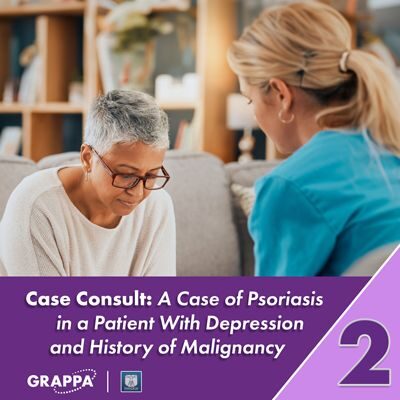
Case Consult 2 explores the unique challenges of treating psoriasis in patients with a history of cancer and depression, addressing patient concerns along with the key elements of shared decision-making.
Meet the GRAPPA Education Committee
Education Committee Co-Chairs

Elaine Husni, MD, MPH
Rheumatologist
Cleveland Clinic
USA
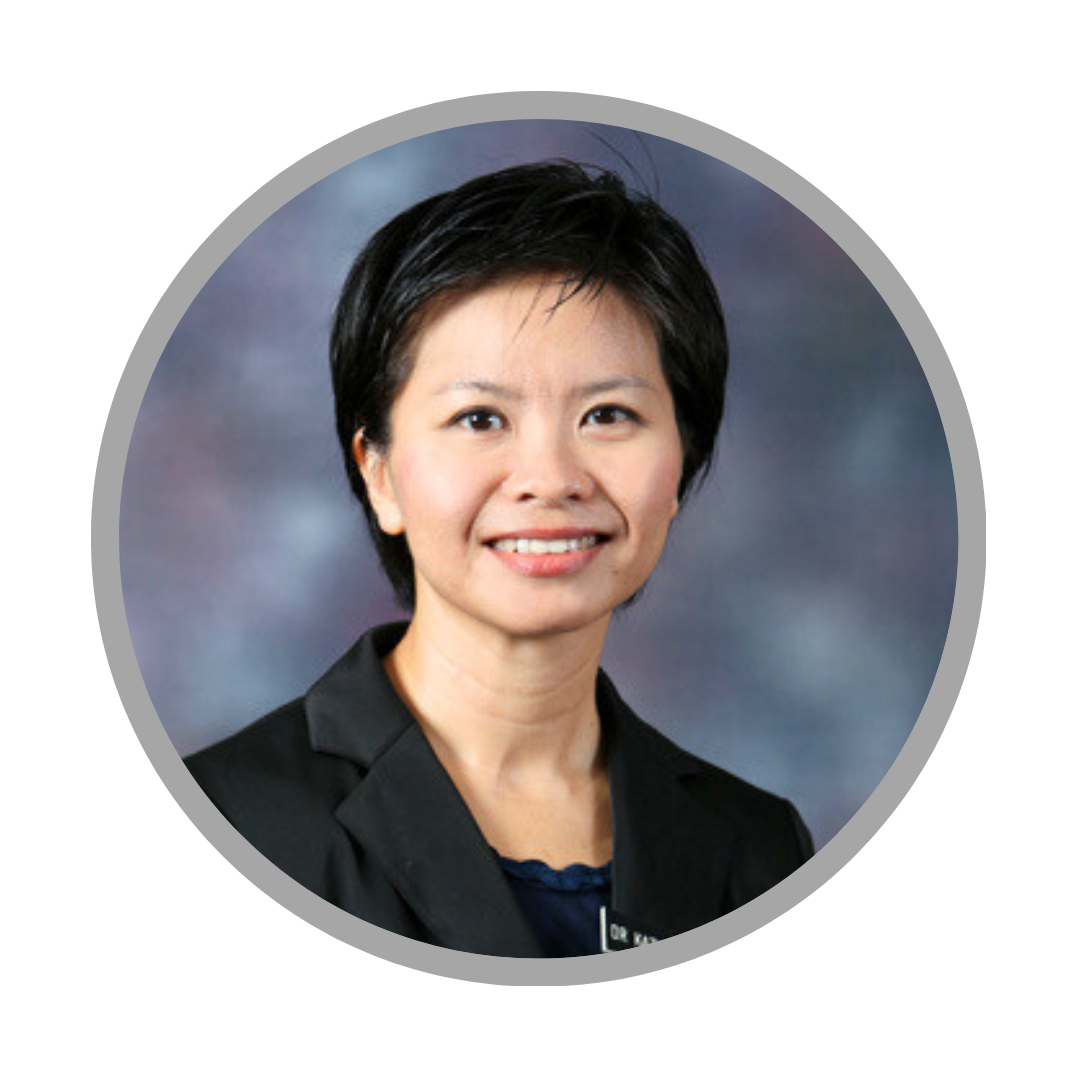
Ying-Ying (Katy) Leung, MBChB, MD
Rheumatologist
Singapore General Hospital, Duke-NUS Medical School
Singapore
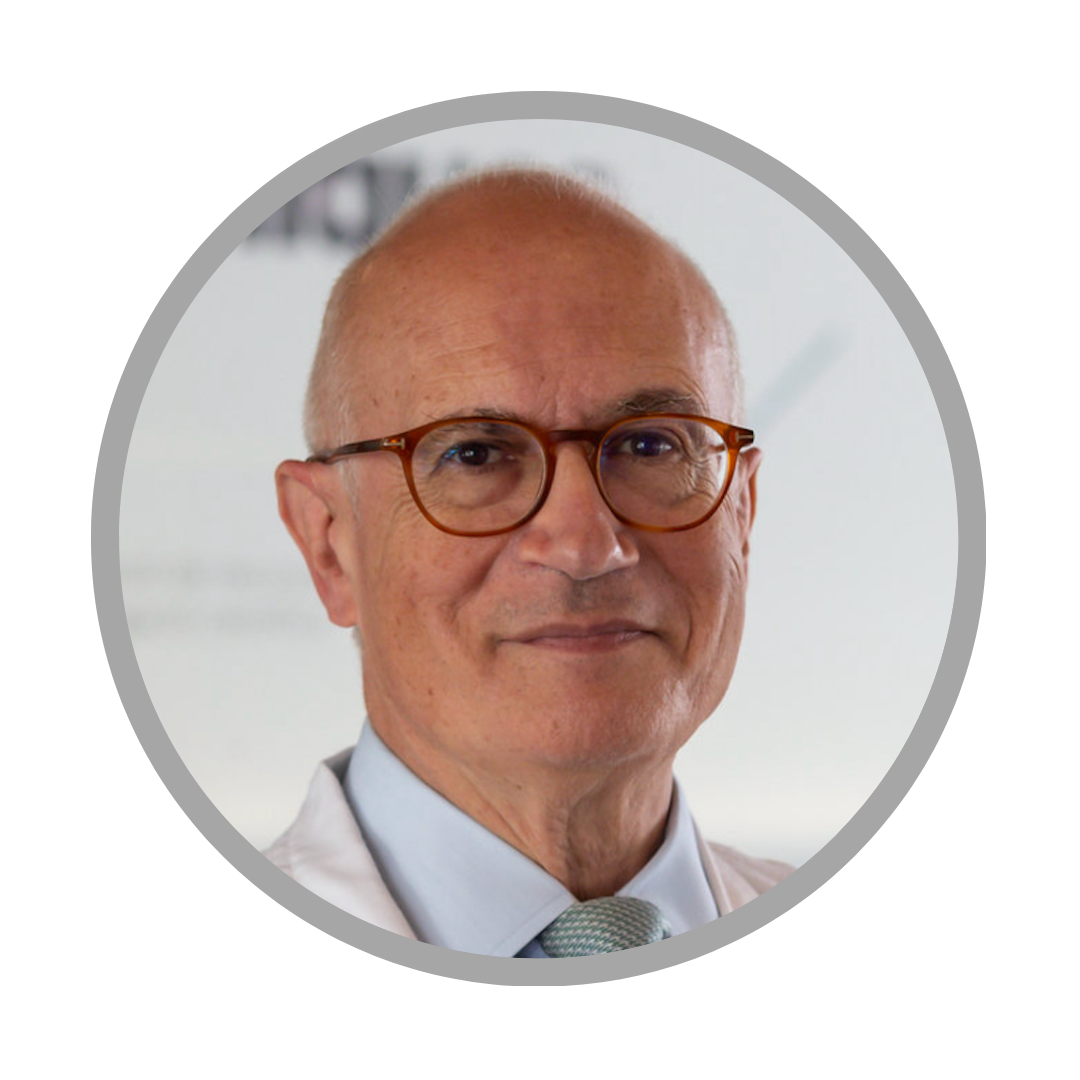
Luís Puig, MD (Hon), PhD
Dermatologist
Universitat Autònoma de Barcelona School of Medicine
Spain
Education Committee Past Co-Chairs

Philip Helliwell, MA, PhD, DM, FRCP
Rheumatologist
University of Leeds
UK

Philip Mease, MD, MACR
Rheumatologist
Swedish Medical Center, Providence St. Joseph Health
University of Washington
USA

Amit Garg, MD
Dermatologist
Zucker School of Medicine at Hofstra/Northwell
USA
Education Committee Members

Ade Adebajo
University of Sheffield
UK

Gizem Ayan
Young GRAPPA
Hacettepe University
Turkey

Cayla Alexander
Seattle Rheumatology Associates
USA
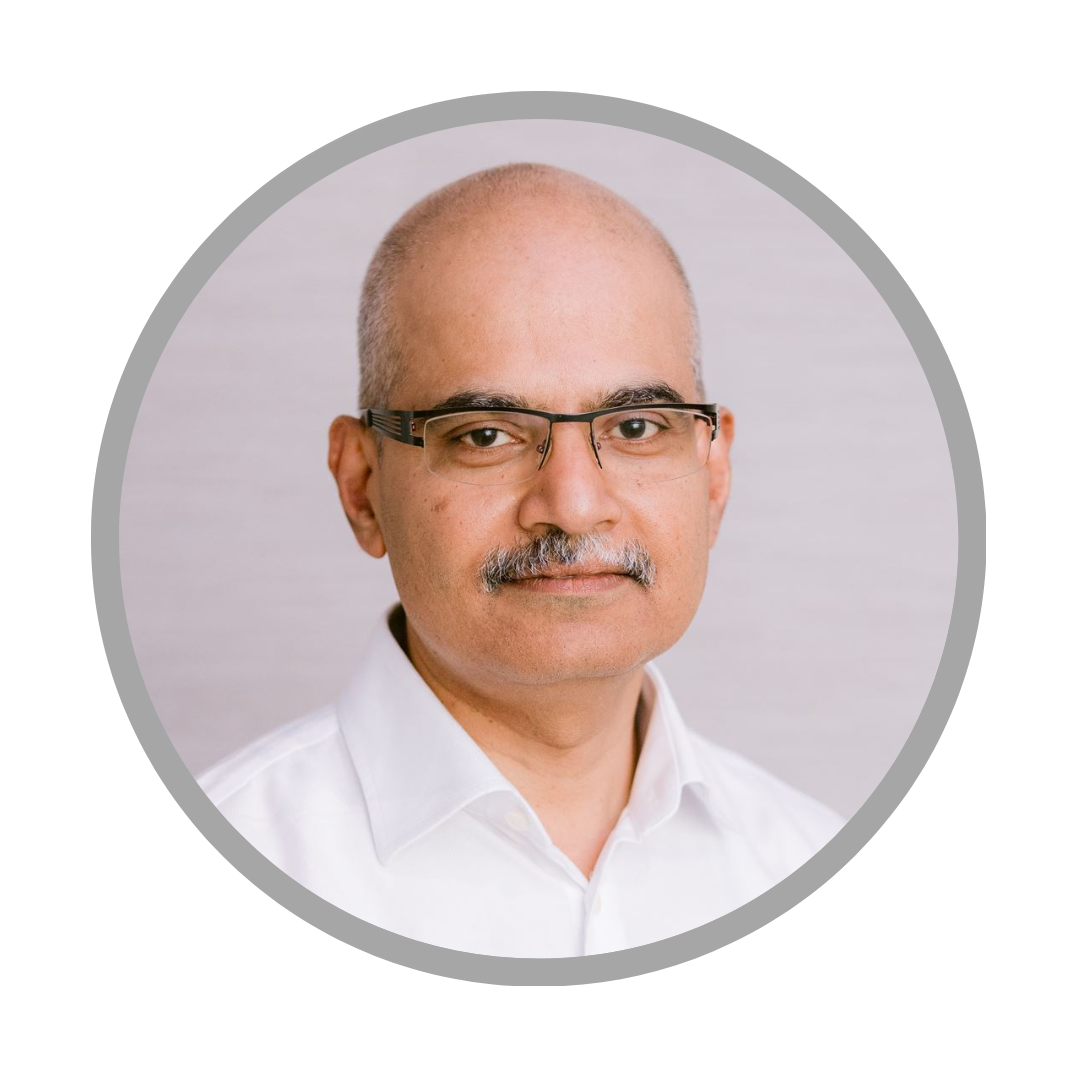
Vinod Chandran
University of Toronto
Canada
Jeffrey Chau
PRP
Hong Kong

Kurt de Vlam
KU Leuven
Belgium

Kristina Duffin
University of Utah
USA

Jessica Kaffenberger
The Ohio State University
USA
Arnon Katz
PRP
Israel
Mitsumasa (Mitch) Kishimoto
Kyorin University School of Medicine
Japan

Anna Lopez-Ferrer
Hospital Santa Creu i Sant Pau. Barcelona
Spain

Ashish Mathew
Christian Medical College, Vellore
India

Fabian Proft
Charité Universitätsmedizin Berlin
Germany

Laura Savage
University of Leeds
UK

Claudia Schainberg
University of Sao Paulo School of Medicine
Brazil

Enrique Soriano
Hospital Italiano de Buenos Aires
Argentina